Having a corner of tropical paradise at home is a dream for many. Maintaining the health of these exotic plants, such as the palm tree, requires special attention. They are often far from their natural habitat and can suffer from indoor climate conditions. Symptoms of decline can manifest in various ways: yellowing leaves, leaf drop, dryness, or trunk rot. Understanding these signals is fundamental to intervene in time and save these majestic plants. Identifying the early signs allows for adjustments in care and helps avoid common cultivation mistakes.
Identifying Symptoms of Decline in Palm Trees
Yellowing and drying of leaves are often the first visible signs of distress in palm trees. This symptomatology may indicate a lack of light or excess water, but also the presence of pests such as the spider mite or thrips, which attack plant tissues to suck the sap, thereby weakening the plant. Fungal leaf spot diseases manifest as brown or black marks on the foliage, often surrounded by a yellow halo. Expertise is essential to accurately diagnose these symptoms and adopt the appropriate treatment.
Observing the roots can reveal crown and root rot, often a consequence of insufficient drainage or overwatering. This condition, if advanced, can mean an irreversible fate for the palm tree: dead or not, and the assessment must be made quickly to attempt a rescue. Pests such as the red palm weevil and the palm borer moth (Paysandisia archon) are well-known scourges that attack the very heart of the plant, leading to structural weakening and sometimes the death of the palm tree.
The presence of scale insects can be detected by the honeydew traces they leave on the leaves, a substance that in turn promotes the development of sooty mold, a blackish fungus that covers the leaves and limits photosynthesis. Take these clues into account, as they require prompt intervention to preserve the health of your palm tree. Regularly inspect your plant for these symptoms and act accordingly to counter threats before they cause irreparable damage.
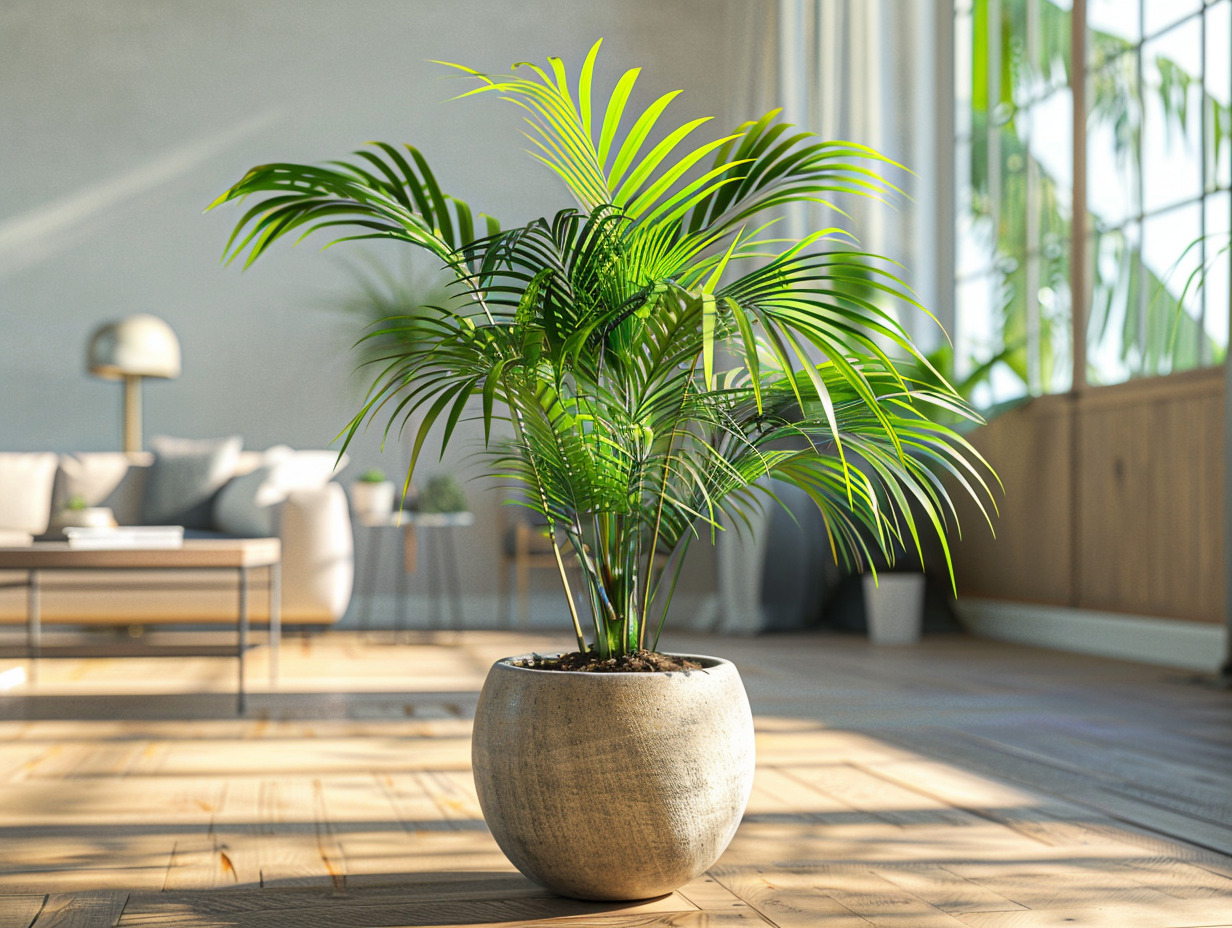
Care and Prevention Strategies for Tropical Palms
Reasoned irrigation is essential to avoid root rot that threatens the health of the palm tree. Practice moderate watering, ensuring that room temperature water seeps well into the substrate without stagnating. The bottom of the pot should have sufficient drainage holes to allow optimal drainage. The frequency of watering should be adjusted according to the season, environment, and species specifics, highlighting the need for a suitable care guide.
Exposure to sunlight is crucial for the well-being of palm trees. They thrive in a sunny spot where natural light abounds without burning the delicate leaves. A south or west-facing window for indoors, or an open space for outdoors, will ensure the necessary light for their flourishing.
Fertilization, an important step, supports the vigor of the palm tree. Regular applications of specific fertilizers rich in magnesium and iron promote growth and coloration of the fronds. Over-fertilization can be counterproductive, leading to root burns or unbalanced growth.
In the face of pest attacks such as the red weevil or the palm borer, biological solutions exist. The Rhynchotrak Biotop trapping kit serves as an effective means of combating the weevil, while nematodes (Néma-Palmier 50 million) combat various soil pests. Prevention can also involve choosing resistant species like Washingtonia filifera or robusta, which are less vulnerable to common attacks and diseases.