In today’s digital age, the use of USB drives for data storage is common. Like any hardware, they can sometimes become damaged, making access to our precious information difficult, if not impossible. In such a situation, it is natural to feel frustrated and helpless, especially when lacking advanced technical skills. However, there are accessible ways for everyone to remedy this problem. So, how can you repair a damaged USB drive without calling in a professional? This is the question that this practical guide will attempt to answer.
Damaged USB Drive: Crucial Diagnosis
As part of our series of articles on solutions to common computer problems, we will discuss today how to diagnose and repair a damaged USB drive. Diagnosis is undoubtedly the first crucial step before any attempt to ‘repair USB drive’. This preliminary phase allows you to determine the extent of the damage suffered by your device.
There’s no need to panic if your computer does not immediately recognize your USB drive when you insert it into the USB port. Several symptoms may indicate a potential malfunction: error messages when plugging in, inaccessibility or corruption of files stored on the drive, a drastic and unexplained drop in data transfer rates, or frequent errors during read/write operations.
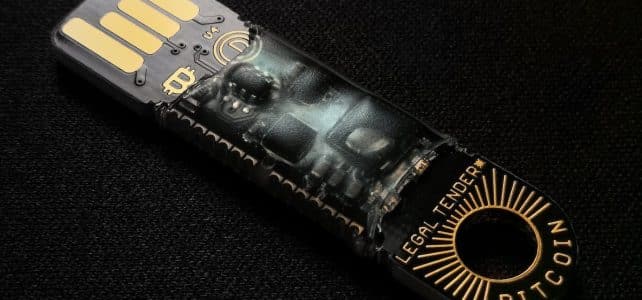
Another notable indicator not to overlook is, of course, any visible signs of physical damage such as a bent or broken connector. These types of physical damage often require more than a simple attempt to ‘repair USB drive’; they usually necessitate a complete replacement.
It is also important to issue a crucial reminder: always ensure that your important data is regularly backed up elsewhere. This can prevent a lot of heartache in case of irretrievable loss during the process of repairing a damaged USB drive.
Once you have correctly identified the problem through diagnosis, it will then be possible to move on to the next step, which involves developing an action plan to ‘repair USB drive’ using the most appropriate method.
USB Drive Problems: Common Causes
In this section, we will review the common causes of USB drive problems. Understanding these factors can help you prevent potential malfunctions and protect your valuable data.
One of the most frequent causes is related to physical damage. USB drives are often exposed to harsh conditions, such as drops or accidental knocks. A bent or broken connector can lead to a poor connection with your computer’s USB port and make recognition of the drive impossible.
There is also a risk of electrical overload. When you plug your USB drive into a port that delivers too much electrical power, it can damage its internal components and lead to device failure.
Another common cause is related to viruses and malware present on your computer. If you plug your USB drive into an infected computer, there is a risk that these harmful programs will quickly spread into the drive’s internal system and alter its normal functioning.
Improper or abusive use can also cause problems at the hardware or software level of the USB drive. This includes ejecting the drive without using the ‘Safely Remove’ option available in the operating system or abruptly removing the drive while it is still being read or written.
You must take care of your USB drive to avoid common problems that can compromise the security and integrity of your data. By understanding the potential causes behind these issues, you will be better prepared to take appropriate preventive measures. In the next section, we will explore various techniques to repair a damaged USB drive and recover your valuable information.
Repairing a USB Drive: Methods to Know
Now let’s review the different methods for repairing a damaged USB drive and recovering your data. Before starting, it should be noted that some of the techniques described below may result in the permanent loss of your files. Therefore, it is advisable to use a data recovery software specifically designed for defective USB drives. These programs can analyze the device for lost or corrupted files and then attempt to restore them. Popular options include Recuva, EaseUS Data Recovery Wizard, and TestDisk.
Another common approach is to format the USB drive to eliminate any software issues or corruption of system files. This method will delete all your data on the drive, so make sure there is no important data before proceeding with the formatting.
If your USB drive is not detected by your computer, try it on another USB port or even on another computer to rule out any hardware issues with the port or the computer itself. You can also try using a different USB cable if you have one on hand.
In extreme cases where all other means fail, it may be necessary to consider professional services specializing in data recovery from damaged media. These experts have advanced tools and specialized skills to recover data even in the most severe situations.
Precautions Before Repairing a USB Drive
Before you start repairing a damaged USB drive, you should take certain precautions to avoid any additional risks. Follow these essential tips to maximize your chances of success and minimize potential damages:
Back up your data: Before any manipulation on your USB drive, ensure that you have backed up all important data on it. This will prevent permanent loss in case something goes wrong during the repair process.
Use a clean environment: Make sure that the place where you perform the repair is clean and free of dust or other particles that could further damage your USB drive. A small contamination can cause additional problems when plugging or unplugging the device.
Avoid rough handling: When handling a damaged USB drive, avoid worsening the situation.
Repairing a USB Drive: Detailed Steps
Check physical integrity: Carefully examine your USB drive for any visible signs of damage, such as cracks or broken components. If you find any, it is best to entrust the repair to a professional.
Use data recovery software: In some cases, a damaged USB drive may still contain accessible data. Use specialized data recovery software to attempt to save what can be salvaged before undertaking any repairs.
Repair the corrupted file system: If your USB drive has errors related to the file system, you can use the tool built into your operating system to fix it. On Windows, for example, use the CHKDSK utility in the command line.
Format the USB drive: If all previous attempts have failed and you do not wish to incur significant costs to have the drive repaired by a professional, format it completely. However, make sure you have made a backup beforehand, as this operation will erase all data on your device.
Replace defective components: For advanced users with the necessary technical skills and after having accurately identified which component(s) is/are responsible for the malfunction, it is possible to proceed with the replacement of the defective component(s). This step requires great caution and may void your USB drive’s warranty.
Consult a professional: If you are not comfortable with technical manipulations or if you still cannot repair your USB drive, it is best to consult a professional in the field who can assess the problem more precisely and propose suitable solutions.
By following these steps methodically and taking all necessary precautions, you will increase your chances of successfully repairing a damaged USB drive. Remember to be patient and persistent throughout the process.
Avoiding Issues: Tips for USB Drives
Protect your USB drive from excessive heat: High temperatures can damage the internal components of a USB drive. Therefore, avoid exposing it directly to sunlight or intense heat sources, such as a radiator.
Handle your USB drive gently: Rough handling can cause physical damage to your device. Therefore, be sure to handle it carefully and avoid any sudden movements that could lead to breakage.
Properly eject your USB drive: When you have finished using your drive, always make sure to eject it properly before removing it from the port. This step allows the operating system to finalize all ongoing operations and thus reduces the risk of data corruption.
Use reliable antivirus software: The presence of viruses on a USB drive can cause various problems, ranging from system slowdowns to major disruptions in the device’s operation. Therefore, be sure to regularly use reliable antivirus software to scan your files and prevent any potential infections.