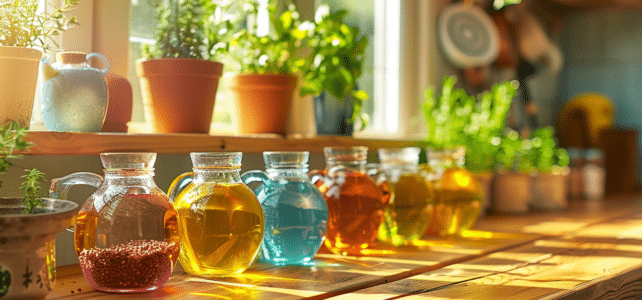
Cooking is an art that requires precision and accuracy, especially when it comes to measuring liquids. Whether it’s to achieve a perfect vinaigrette, a lump-free pancake batter, or a well-balanced broth, the dosing of liquid components is essential. Experienced chefs and meticulous bakers know this: accuracy in measurements can transform a mundane recipe into a culinary masterpiece. To achieve this precision, there are specific methods and tools that every cooking enthusiast must master. These tips are the guarantees of a harmonious result in taste and visually appealing presentation.
Essential tools for precise liquid measurement
In cooking, the saying ‘measure makes the master’ takes on its full meaning. For this, measuring utensils and instruments become the indispensable allies of the meticulous cook. Among them, stainless steel measuring cups stand out for their durability and precision. They offer a clear measurement scale, allowing for easy reading of quantities such as ‘1/4 liter in cl’, which are essential for recipes requiring great accuracy.
Measuring spoons also present an effective solution for volume measurement of liquids in smaller quantities. Carefully graduated, they meet the needs for precise dosing, such as tablespoons of olive oil for seasoning or teaspoons of liquid vanilla for flavoring.
Conversion tools greatly simplify life in the realms of cooking and mixology. From mobile apps to websites, these free online converters are valuable resources for accurately transposing units of measurement, thus avoiding errors that could compromise a recipe. For paper enthusiasts, many cookbooks offer practical conversion tables, making it easy to switch from milliliters to fluid ounces. Consider the different units of measurement that vary by country. Understanding the equivalences between the metric and imperial systems is essential for following recipes from different culinary cultures. Volume measurements include liter (l), milliliter (ml), while weight measurements are expressed in kilogram (kg), gram (g), among others. Mastery of conversions between these units is essential for cooking that crosses borders and enriches itself with diversity.
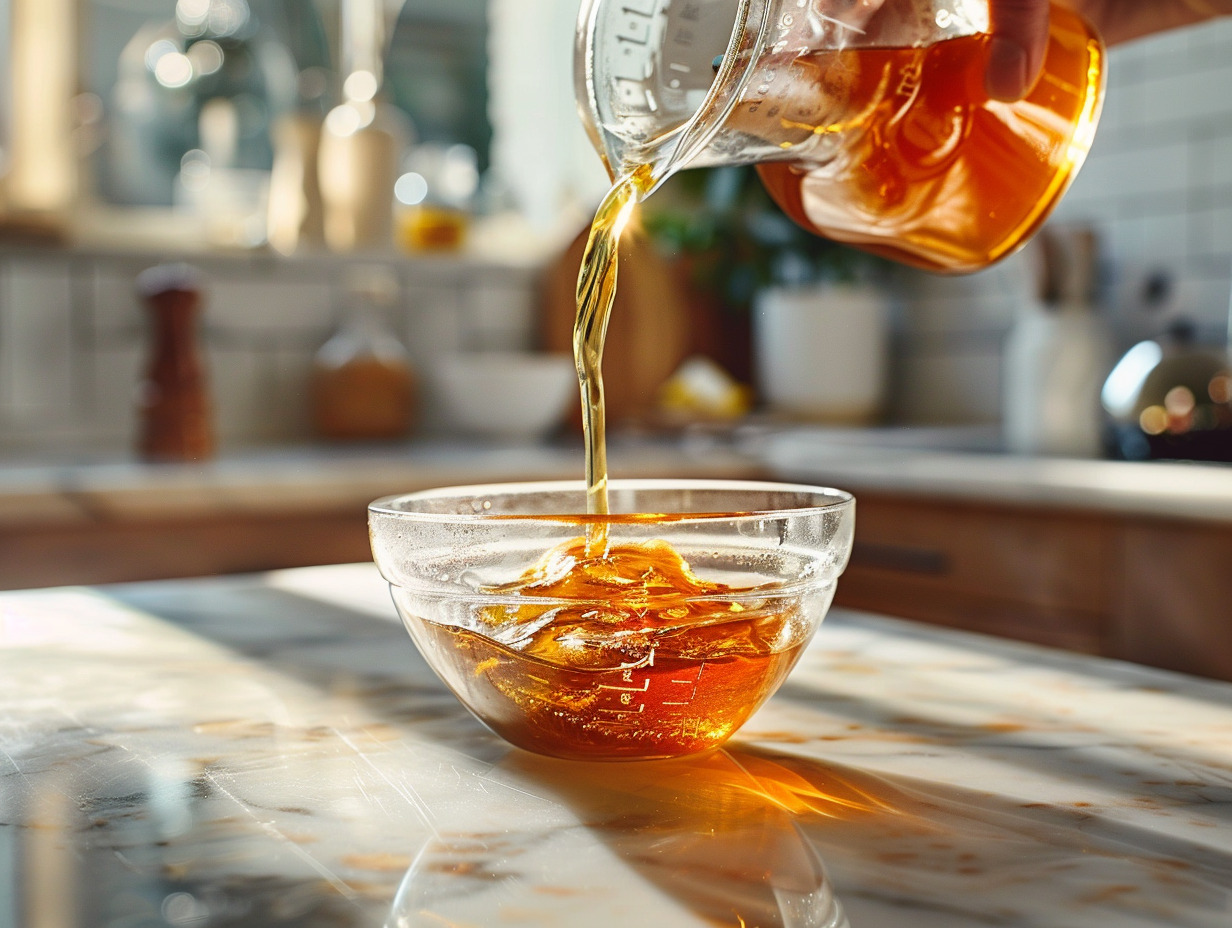
Techniques and tips for measuring liquids accurately
In the culinary art, essential tips and measurement techniques play a crucial role in avoiding measurement conversion errors. The use of graduated utensils, such as measuring spoons, is recommended to ensure reliable measurements. Knowing the correspondence between a tablespoon and the number of grams it can hold is an example of simple but significant manual conversions for the accuracy of dosages in cooking.
The use of appropriate measuring tools is fundamental to guarantee even cooking and balanced flavor in dishes. Avoid approximations and “rough estimates,” which can lead to significant errors, especially in baking where precision is key. For accurate conversions, familiarize yourself with tools such as mobile apps or websites offering free online converters, a great asset for easily switching from one unit of measurement to another.
The conversion of cooking units requires special attention. A teaspoon measurement can vary from one recipe to another if an incorrect conversion is applied. Therefore, take the time to check equivalences and apply them carefully. Mastery of manual conversions and the rigorous application of measurements are the guarantees of a faithful execution of recipes, whether traditional or inspired by new ideas.