
Shoulder surgery is a surgical procedure that can lead to significant postoperative pain for the patient. These unpleasant sensations can compromise recovery, restrict movement, and affect quality of life. It is crucial to understand how to alleviate this pain to promote a smooth recovery. Various approaches can be adopted, ranging from medications to rehabilitation techniques and natural methods. This is a major concern for healthcare professionals, patients, and their families, and it deserves special attention.
Preparing Before Surgery: Essential Steps for Successful Recovery
Preoperative preparation is a crucial step in managing the duration of postoperative shoulder pain. Indeed, prior to any surgical intervention, it is essential to establish a detailed protocol aimed at minimizing adverse effects related to the operation and controlling as much as possible the time during which the patient will experience pain.
It is first essential that each individual is fully informed about what to expect after their surgery. They must be aware of potential complications and typical symptoms such as pain or discomfort. Transparent communication between the doctor and the patient not only facilitates understanding but also encourages active participation in the therapeutic process.
The second point concerns the establishment of an appropriate pain management regimen even before the surgical intervention. Certain analgesics can be administered to significantly reduce the duration of postoperative shoulder pain. Medications such as non-steroidal anti-inflammatory drugs (NSAIDs) or corticosteroids are frequently used in this regard.
It has been scientifically proven that good overall physical condition also contributes to significantly reducing this painful period after surgery. Therefore, implementing a program of appropriate physical exercises before the intervention could be beneficial in speeding up the healing process and shortening the duration of pain.
The psychological aspect should not be overlooked. Preoperative stress can affect the patient’s perception of pain and thus influence its duration post-surgery. Techniques such as relaxation or hypnosis can be used to help reduce this anxiety.
The overall goal is to initiate a rapid and effective recovery, while controlling the duration of postoperative shoulder pain as much as possible. This involves meticulous preparation before any surgical intervention, which should include detailed information, adequate pain management, a physical exercise program, and support to manage any potential stress.
Postoperative Pain: Effective Techniques for Relief
In the context of managing postoperative shoulder pain, several techniques can be implemented to effectively relieve patients. Among these is the use of local analgesics administered via infiltration or a peripheral catheter. This approach allows for direct targeting of the operated area and provides continuous analgesia during the first hours following the intervention.
Another promising method is that of peripheral nerve blocks. This involves injecting local anesthetics around specific nerves responsible for the innervation of the shoulder. This type of regional analgesia can significantly reduce the painful sensation and thus decrease the need for powerful opioids.
The use of opioids remains common in the treatment of postoperative shoulder pain, particularly when it is intense. These medications are often associated with several adverse effects such as nausea, vomiting, or excessive drowsiness. It is important to find the right balance between effectively relieving the patient and minimizing these side effects as much as possible.
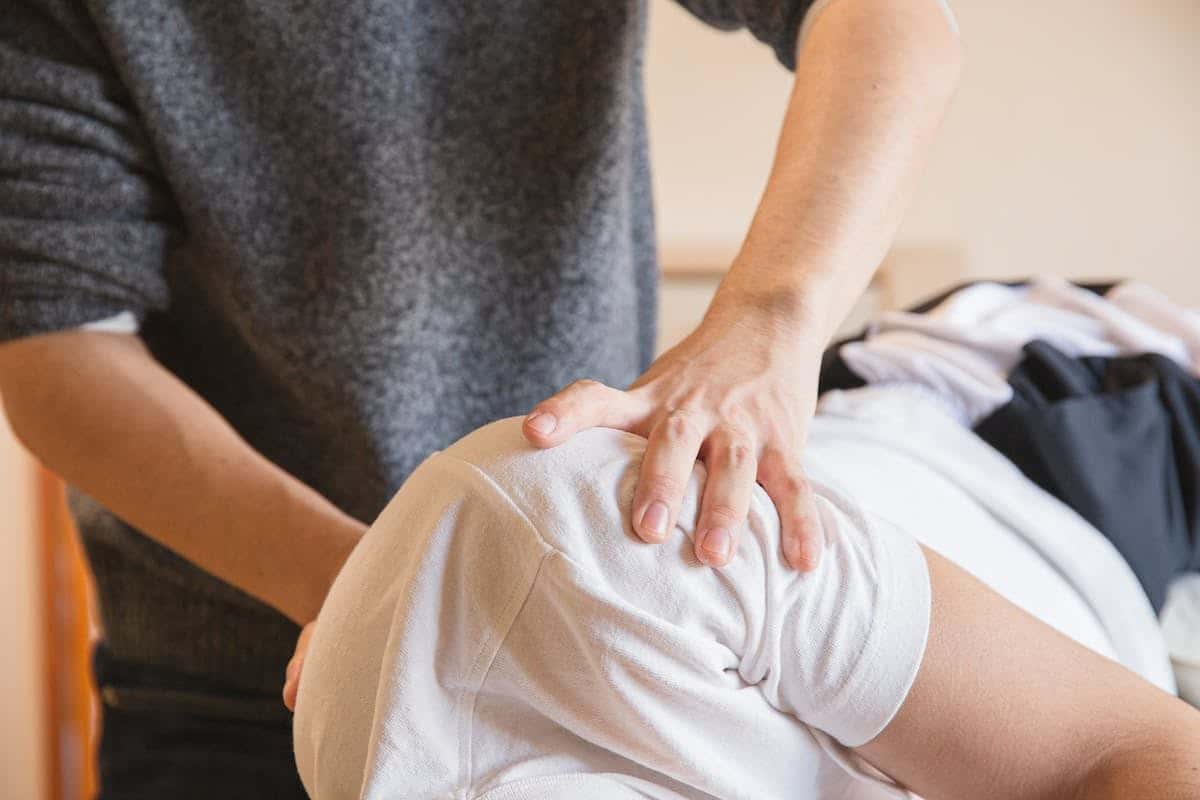
In addition to pharmacological treatments, some non-drug techniques can also prove beneficial in managing pain after shoulder surgery. For example, some specialized physiotherapists offer methods such as therapeutic massages or specific stretches to relieve muscle tension and reduce pain.
Cryotherapy, which involves applying cold to the operated area, can also provide appreciable relief by limiting inflammation and temporarily numbing the nerve endings responsible for the painful sensation.
It is important to note that each patient is unique and that postoperative pain management techniques must be tailored to their specific case. Regular follow-up with the medical team will allow for adjustments to treatments based on the evolution of symptoms and the specific needs of the patient.
There are different approaches in the management of postoperative shoulder pain. These techniques include the use of local analgesics, peripheral nerve blocks, opioids when necessary, as well as non-drug methods such as therapeutic massage or cryotherapy. The ultimate goal remains to provide patients with personalized care to minimize their discomfort after surgical intervention while promoting optimal recovery.
Pain Relief: Medications Available After Surgery
In the field of managing postoperative shoulder pain, medications play a crucial role in effectively relieving patients. Among these medications, there are often analgesics belonging to the class of non-steroidal anti-inflammatory drugs (NSAIDs). These medications work by inhibiting the production of an enzyme called cyclooxygenase, responsible for the formation of pro-inflammatory substances in our body. By reducing this inflammation, they contribute to significantly alleviating the painful sensation.
Commonly used NSAIDs in the postoperative treatment of the shoulder include ibuprofen and diclofenac. They are generally prescribed in tablet form or can also be administered intravenously in more severe cases. They should be taken as recommended by healthcare personnel to avoid any potential risks associated with their prolonged use.
In addition to NSAIDs, some mild opioids may be used to control pain after shoulder surgery. These opioids, such as tramadol or certain codeine, have a similar action to opiates but present fewer side effects and a lower potential for addiction. They should be taken according to the provided guidelines.
As for muscle relaxants, they can also be used to relieve shoulder pain. These medications work by blocking the nerve signals responsible for excessive muscle contractions, which helps reduce pain associated with muscle tension.
It is important to understand that each patient has a different pain tolerance and a variable response to medications. Therefore, it is essential to personalize the treatment and adjust it if necessary.
Beyond traditional medications, some patients may also benefit from other therapeutic approaches such as physiotherapy or acupuncture to relieve their pain after shoulder surgery. Integrating these complementary methods can provide additional support in the overall healing process.
Medications play a key role in postoperative pain relief for the shoulder. NSAIDs, mild opioids, and muscle relaxants are often successfully used to alleviate the painful sensation in patients. It is essential to use these treatments under medical supervision to maximize their benefits while minimizing the potential risks associated with their prolonged use.
Non-Medication Therapies: Alternatives to Alleviate Pain
In addition to medication treatments, there are also a number of non-drug therapies that can be beneficial in managing postoperative shoulder pain. These alternative approaches aim to relieve patients using natural and non-invasive methods.
The first non-drug therapy often recommended is physiotherapy. Under the supervision of a qualified professional, this practice consists of a series of targeted exercises aimed at strengthening the muscles around the shoulder, improving joint mobility, and reducing inflammation. Physiotherapy may also include techniques such as thermotherapy (use of heat) or cryotherapy (use of cold) to effectively relieve pain.
Another commonly considered option is acupuncture. This traditional Chinese technique is based on the principle that our body is traversed by energy channels called meridians, and that stimulating certain specific points with fine needles can restore energy balance and thus relieve painful symptoms. Acupuncture has shown effectiveness in treating various types of chronic pain, including those associated with orthopedic surgical interventions.
In the field of non-drug therapies, it is important to mention breathing and relaxation techniques that can provide great relief to patients suffering from postoperative shoulder pain. These practices include deep breathing exercises, muscle relaxation, or meditation. By calming the mind and body, these methods promote the release of natural endorphins, our own internal painkillers.
It should be emphasized that each of these non-drug therapies may have a different effect depending on the individual and that it is best to consult a qualified professional to determine which is most suitable for each patient. Sometimes, a combination of several approaches may be necessary to achieve the best results.
In the postoperative management of shoulder pain, there are various therapeutic options available in addition to traditional medication treatments. Non-drug therapies such as physiotherapy, acupuncture, and relaxing breathing techniques can play a valuable role in relieving patients. The goal is to quickly restore an optimal quality of life.
Optimal Recovery: Recommendations to Follow for Complete Healing
For optimal recovery after shoulder surgery, you must follow certain recommendations to accelerate the healing process and reduce pain. It is essential to adhere to the medical instructions given by the surgeon. These instructions may include restrictions on movements to avoid or, conversely, specific exercises to perform to promote functional recovery.
A key element in this postoperative phase is adequate pain management. Beyond the analgesics prescribed by your doctor, various techniques can be used to effectively relieve discomfort. Among these options are the use of cold or hot compresses on the affected area, which helps reduce inflammation and thus soothes pain.
In addition to the non-drug therapies mentioned earlier, another important aspect is postoperative care. You should pay attention to maintaining good hygiene of the operated site by keeping it clean and dry. The dressing should also be changed regularly according to the instructions provided by the responsible medical professional.
The body also needs a healthy and balanced diet to promote its natural healing capacity. Ensure that your diet is rich in essential nutrients such as lean proteins, fresh fruits and vegetables, and whole grains. Avoid processed foods and those high in saturated fats, which can increase inflammation in the body.
Rehabilitation is a central element of optimal recovery after shoulder surgery. Physiotherapy sessions not only help strengthen the muscles around the shoulder but also improve joint mobility and thus prevent any stiffness or functional limitations.
You should remain positive throughout the recovery process. Patience and perseverance are necessary to overcome any obstacles encountered along the way. Do not hesitate to seek moral and psychological support from your loved ones as well as from the medical professionals accompanying you during this period.
To ensure optimal recovery after shoulder surgery, you should consult your primary care physician. There are various techniques such as hot or cold compresses that can effectively relieve postoperative pain without excessive reliance on oral analgesics. It is also important to properly care for the affected area with appropriate postoperative care, including a clean and dry dressing according to the instructions provided by the responsible professional. A healthy diet with essential nutrients promotes the body’s natural healing. Rehabilitation plays a central role in strengthening muscles, improving joint mobility, and preventing stiffness or functional limitations. It is imperative to adopt a positive attitude towards this recovery process, to be patient, to persevere, and to seek the necessary moral and psychological support from loved ones as well as from the medical professionals surrounding the patient during this crucial period.
Medical Follow-Up After Surgery: The Importance of Close Monitoring for Successful Healing
Another essential component of postoperative medical follow-up is pain management. In addition to the prescribed analgesics from your doctor, other methods can be used to relieve discomfort and improve your daily comfort.
Physical therapy can play a crucial role in the recovery process. A qualified physiotherapist will guide you through a series of specific exercises aimed at strengthening the muscles around the shoulder, restoring joint mobility, and reducing the risk of stiffness or instability.
You must strictly follow the recommendations of the physiotherapy specialist to optimize results. Regular sessions will not only allow for a faster functional recovery but also a significant reduction in residual pain.
Beyond the exercises guided by the professional, you should pay particular attention to the rest of the body. Indeed, when a shoulder becomes weak or immobile following surgery, certain muscle compensations may occur and increase the risk of pain or dysfunction in other parts of the body.
Do not forget the paramount importance of good lifestyle hygiene. Adopt a healthy lifestyle by prioritizing a balanced and nutritious diet rich in essential vitamins and minerals for healing. Also, avoid bad habits such as smoking that can hinder the recovery process.
Close postoperative medical follow-up is crucial to promote optimal recovery after shoulder surgery. Adequate pain management, combined with physical therapy supervised by competent professionals and regular home exercises, will allow for faster and more effective rehabilitation. Do not forget the importance of paying attention to the whole body to avoid potential complications related to muscle compensations. Finally, by adopting a healthy lifestyle that includes a balanced diet and renouncing bad habits like smoking, you will maximize your chances of complete and lasting healing.