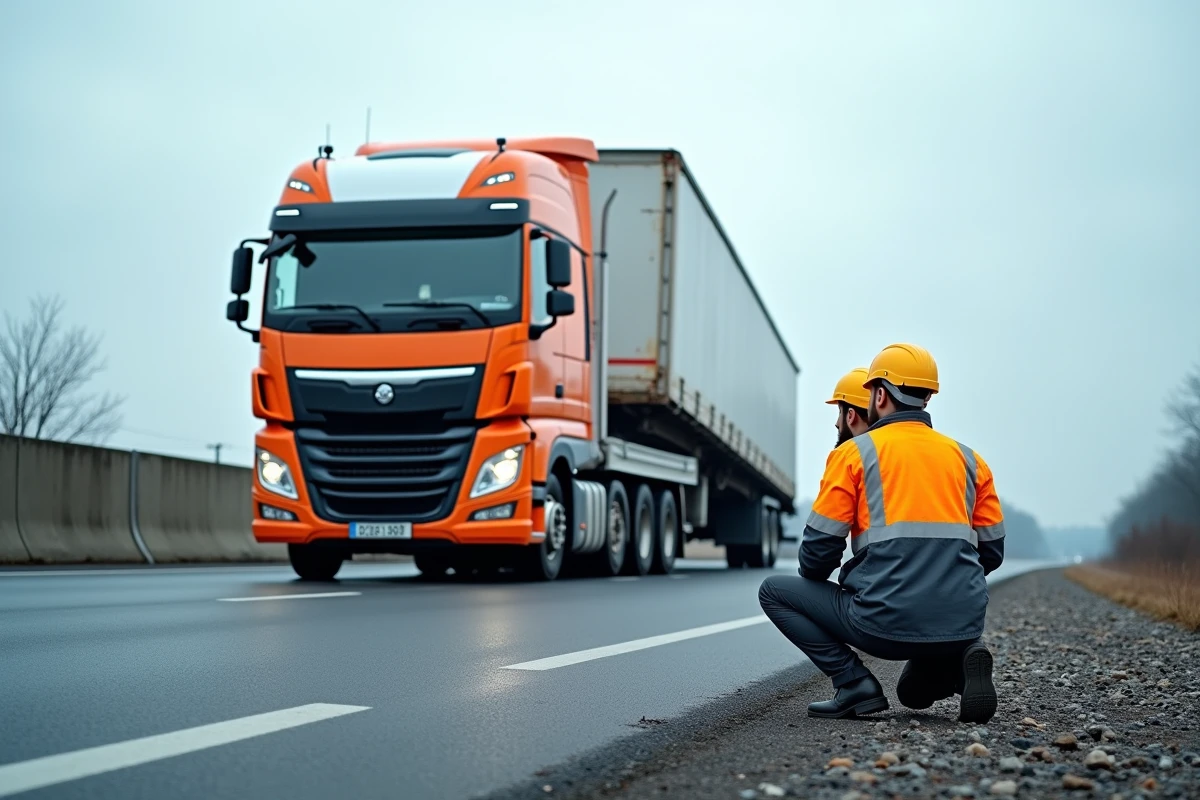
The heavy-duty towing and recovery market is no longer just about sending a tow truck to the roadside. Regulatory constraints, a shortage of qualified tow truck operators, and the arrival of new equipment are reshuffling the deck for fleet operators and intervention managers in France.
Mobile columns and pit jacks: the infrastructure that conditions heavy-duty recovery
Consumer articles focus on roadside towing. We observe that the speed of an intervention primarily depends on the workshop equipment available before and after the on-site operation.
Mobile lifting columns allow for lifting an industrial vehicle without a fixed crane, directly in a maintenance area or on a parking lot. These hydraulic devices are positioned around the chassis and synchronize the lift to avoid any structural deformation. Combined with pit jacks suitable for heavy loads, they reduce the downtime between on-site recovery and mechanical handling.
Specific lifts for heavy-duty vehicles complement this setup. Their load capacity far exceeds that of equipment intended for light vehicles, and their wheelbase adapts to the dimensions of trucks, tractors, and buses. Without this infrastructure, a truck recovered on the highway may wait several days before accessing a workshop capable of receiving it. The heavy-duty recovery and towing sector in France now integrates this global equipment logic, from the roadside to the repair pit.
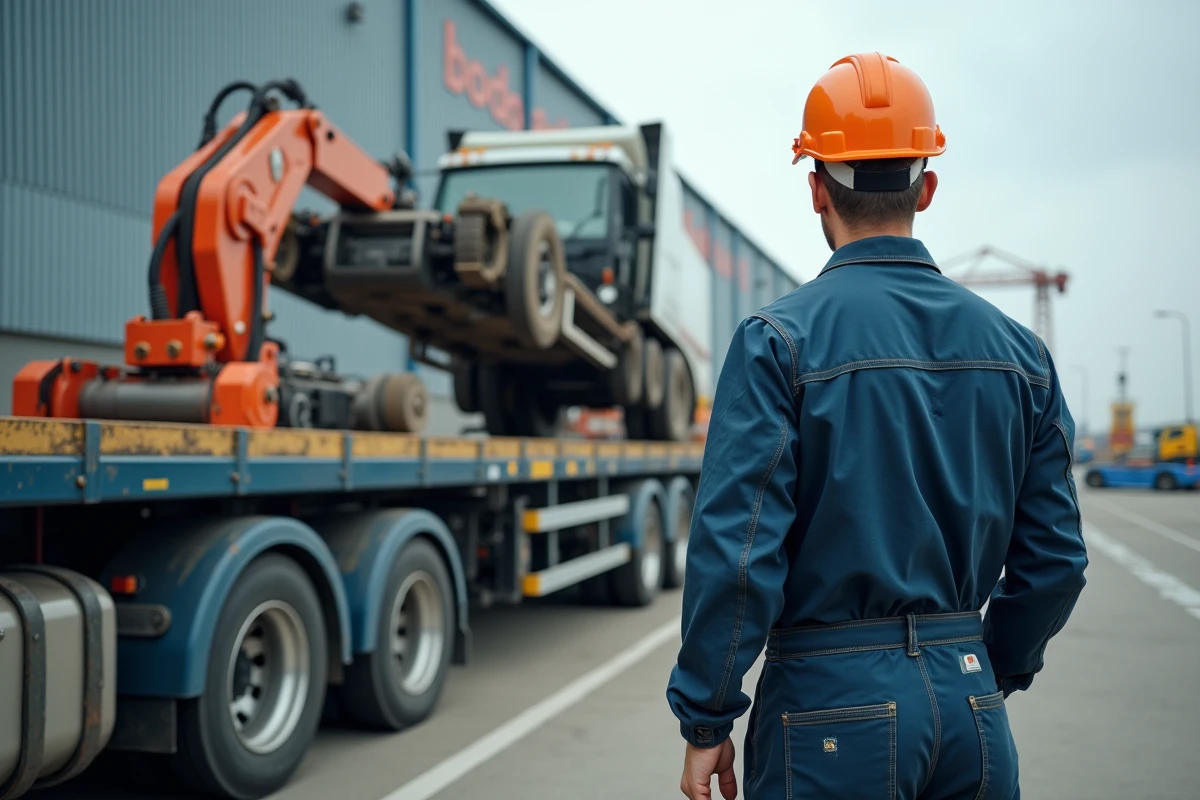
Electric tow trucks and the energy transition of rescue fleets
The electrification of recovery vehicles is no longer a theoretical concept. Several industry players are communicating about 100% electric tow trucks and recovery vehicles intended for certain urban and suburban missions. This evolution responds to dual pressure: low-emission zones that restrict access for heavy diesel vehicles, and the desire of clients (insurers, fleet managers) to reduce the carbon footprint of the assistance chain.
We recommend following this trend with pragmatism. The autonomy of electric tow trucks remains limited by the weight carried (flatbed, winch, hydraulic tools). For long-distance interventions or recoveries requiring sustained winching power, thermal vehicles maintain a clear operational advantage.
Relevant use cases for electric vehicles
- Towing light commercial vehicles and light trucks in dense urban areas, where traffic restrictions apply
- Short transfers between an incident point and a workshop located within a limited radius
- On-site recovery interventions (battery, tire) without moving the assisted vehicle, where the tow truck serves as a mobile tool base
The hybrid thermal-electric model could emerge as a medium-term compromise, combining the necessary towing capacity for heavy recovery and compliance with urban access standards.
Prefectural approval and regulation of professional towing in France
Towing heavy-duty vehicles on highways and expressways is reserved for approved tow trucks. This regulatory obligation, often overlooked in service providers’ communications, constitutes a structural barrier to entry for the market.
Only operators with a specific prefectural approval can intervene on the highway network. This approval imposes requirements on equipment (lifting capacity, signaling devices), crew training, and intervention times. Unapproved individuals and companies are not allowed to tow a vehicle on the highway, even with suitable equipment.
This regulatory boundary explains why innovation focuses as much on the approved vehicles themselves as on the logistical organization of interventions. An operator investing in a new tow truck must ensure it meets approval criteria before putting it into service.
Pressure on the recruitment of heavy-duty tow truck operators
The job market confirms a lasting shortage of qualified tow truck operators for industrial vehicles. Job postings on France Travail show that recruiters struggle to fill these positions, which require both a heavy vehicle license, mechanical skills, and authorization for interventions in degraded conditions (night, bad weather, fast lanes).
This operational pressure drives companies to optimize their intervention routes and invest in equipment that reduces the need for personnel on-site. A remote-controlled winch or an automated hydraulic support system allows a crew of two to perform a recovery that previously required three.
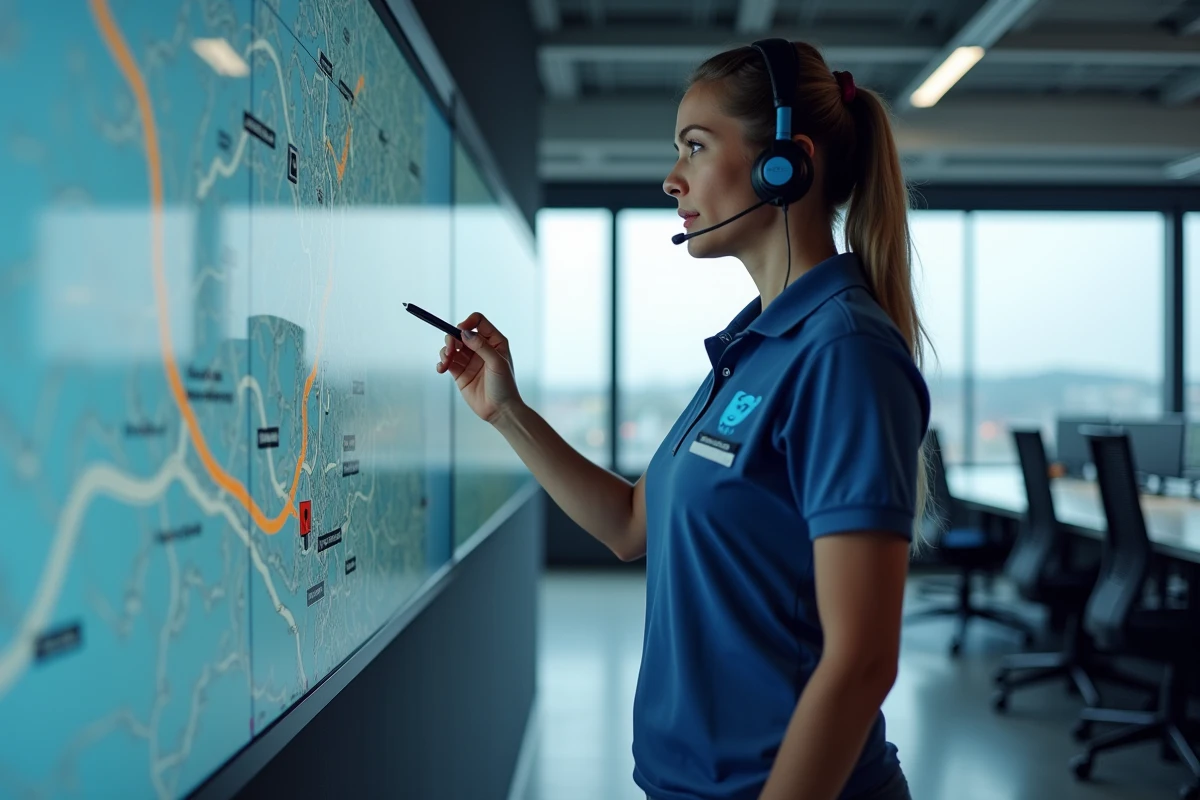
Fleet management and digital solutions for truck recovery
The coordination of towing interventions increasingly relies on digital platforms that centralize requests, geolocate available tow trucks, and optimize response times. These tools allow fleet managers to track the status of an intervention in real time, from the first call to the delivery of the vehicle to the workshop.
The absence of a central aggregator in this market distinguishes heavy-duty recovery from traditional automotive towing. Each operator manages their own network, their own contracts with insurers, and their own coverage areas. This fragmentation slows down the pooling of resources and complicates the management of demand spikes (icy conditions, chain accidents on the highway).
The most advanced digital solutions integrate the management of approvals, the availability of partner mechanical workshops, and the compatibility of lifting equipment with the type of vehicle to be handled. This level of integration remains rare, but it represents the main lever for improving intervention times for heavy-duty operators in France.
The heavy-duty recovery and towing sector is transforming through its equipment, regulations, and digital tools much more than through its towing methods. Operators who combine suitable workshop infrastructure, regulatory compliance, and digital coordination capability will gain a decisive advantage in a market where demand structurally exceeds the available skill supply.