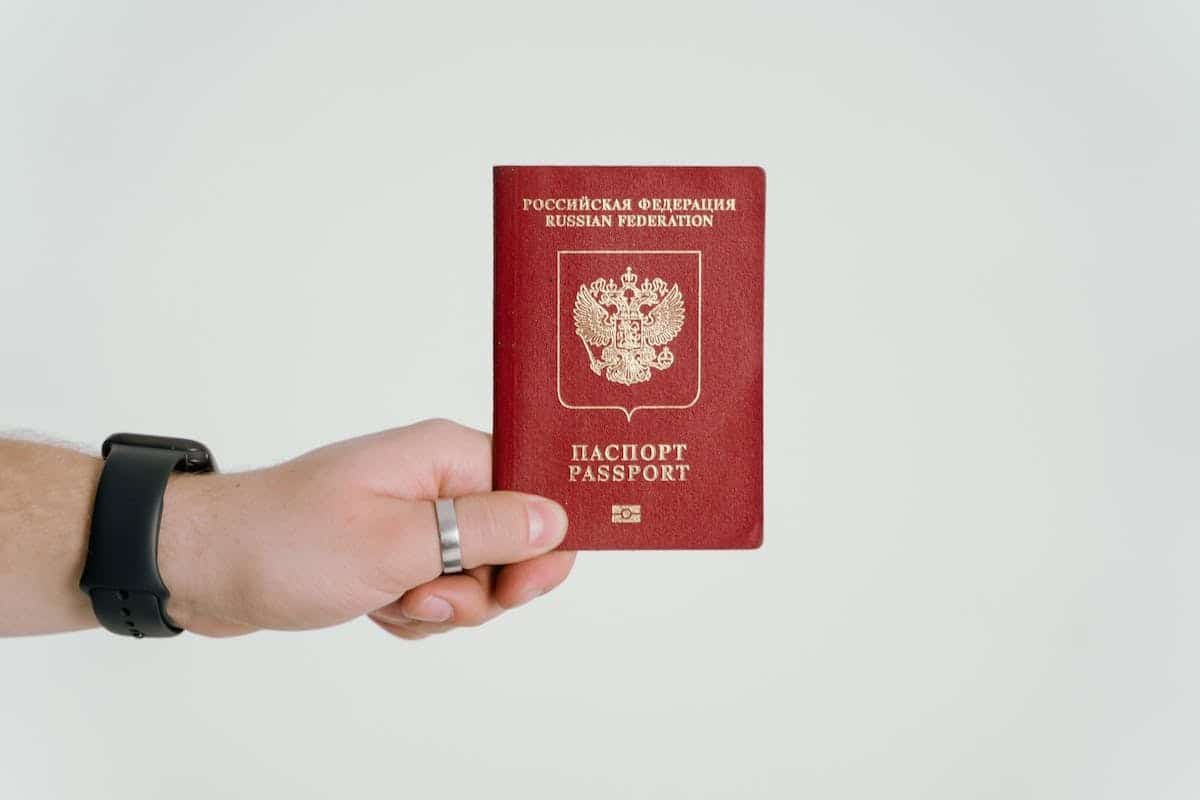
Are you considering flying without your ID card or passport? In an increasingly digital world, this may seem counterintuitive, but it turns out this is a situation that could affect you. Losing or having your identity documents stolen is unfortunately a common scenario. Airport security checks are becoming stricter, making this scenario even more stressful. There are solutions and alternatives for those who might find themselves in this delicate situation. Here is a practical guide for flying without an ID card or passport.
Traveling Abroad: Essential Preparations
In the section ‘Alternatives to ID cards or passports‘, you should mention the little-known concept of ‘using a driver’s license to fly’. While many imagine they can only travel once they have a valid identification document, such as a passport or ID card, some are unaware that a driver’s license can also serve this purpose.
The ‘driver’s license for flying’, which is simply your standard license, can be used as proof of identification in several countries. However, it is essential to highlight a crucial point: the use of the license for these purposes heavily depends on the policies of each country. Before anything else and any trip, check the specific requirements of the country you plan to fly to.
On the other hand, while it may be tempting for some frequent travelers to use only their license as the primary document when flying, this practice carries risks. For example, if your flight is diverted to another airport in a country that does not accept licenses as valid identification for air passengers—commonly referred to as the ‘driver’s license for flying’ procedure—this could lead to unforeseen complications.
As strange as it may seem to seasoned travelers whose thoughts almost systematically gravitate towards bags full of passports or ID cards demanded as soon as they arrive in the international zone, here is a safe and legal alternative under certain conditions: using your license to fly.
Always be prepared before your departure and check with local authorities regarding all requirements related to possible types of identification to avoid any subsequent hassles.
Traveling Without an ID Card or Passport: What Solutions
In this section, we will explore the necessary documents for traveling without an ID card or passport. Although these situations are rare, it can happen that you have misplaced or lost your usual identification documents before a trip.
One possible alternative is to present a certified copy of your ID card or passport. To obtain such a copy, you will need to go to a police station or the town hall of your residence and request a sworn statement confirming the accuracy of the information contained in the original document. This procedure can be lengthy and tedious, but it constitutes a viable solution if you cannot quickly obtain a new official document.
Another option is to use a pass issued by the consular authorities of the country you are currently in.
Traveling Without Official Papers: Essential Documents
In this section, we will discuss the essential precautions to take when going through security checks while traveling without an ID card or passport. Although this may seem complex, it is possible to travel legally and safely with the appropriate alternative documents.
It is crucial to allow sufficient extra time to pass through security checks. Since you do not have the usual identification documents, you will face a more thorough and possibly slower procedure. Therefore, plan for extra time to avoid any unnecessary stress before your flight.
Be sure to bring all necessary documents. This will include the certified copy of your ID card or passport as well as the sworn statement attesting to its authenticity. You will also need to present the pass issued by the competent consular authorities of the country you are currently in. Make sure to check if these documents need to be presented in paper or electronic form.
It is also wise to contact the airline you will be traveling with before your departure. Inform them as soon as possible about your particular situation and ask them what their specific requirements are regarding alternative documentation. Certainly, each airline may have its own rules regarding documentation.
When you present yourself at security checks, remain calm and cooperative. Security agents are trained to handle various scenarios and will be able to verify the validity of your documents. Be courteous and respectful throughout the process to facilitate procedures.
Be prepared to answer additional questions that border control or customs agents may ask you. They will seek to ensure that your travel without an ID card or passport is justified and legitimate. Remain honest in your answers and provide any additional information that may be required to confirm your identity.
By following these precautions during the security checks, you should be able to travel smoothly despite the temporary absence of your usual identification documents. You should note that each situation may vary depending on individual circumstances and local regulations. Therefore, it is highly recommended to inquire with the competent authorities before departure to avoid any unforeseen inconveniences during your trip.
Security Checks: Vigilance Measures to Adopt
In this section, we will explore the countries that accept other forms of identification to allow travelers to move without their ID card or passport. While this may seem surprising, there are indeed some countries that recognize alternative documents as legal proof of identity.
However, it is essential to emphasize that these situations are exceptional and should only be considered under specific circumstances. It is advisable to always carry your usual identification documents when traveling abroad to prevent any potential issues.
One of the countries that accepts an alternative form of identification is Canada. If you are a Canadian citizen and do not have your ID card or passport with you, authorities may accept a certified copy of your official documents along with a solemn declaration attesting to your identity. It is crucial to note that this measure remains subject to the discretion of border agents and may vary depending on the individual situation.
Similarly, in Australia, if you do not have your ID card or valid passport at the time of departure or during your stay in the country, Australian authorities may consider a more thorough verification based on various elements such as a recent photo accompanied by another document bearing your name and signature.
Tolerant Countries: Where Other Forms of Identification Are Accepted
It is crucial to remember that traveling without identification documents can be a delicate and risky situation. If you find yourself in such a situation and absolutely need to leave, here are some tips to avoid potential problems:
Research in advance: Before your departure, inquire about the regulations in force in the destination country regarding accepted identification documents. Some countries may require specific documents or apply particular measures.
Contact the embassy or consulate: If you are already abroad and have lost your identification documents, immediately contact the embassy or consulate of your country. They can provide you with valuable information on how to proceed to obtain consular assistance.
Travel with other forms of proof of identity: Even if this does not necessarily guarantee your admission to a foreign country without your official papers, you should travel with any alternative document proving your identity (international driver’s license, certified photocopies) that could facilitate the procedure at border control.
Be prepared to justify your identity: If you ever face a strict border check without your official papers, be ready to answer questions posed by the competent authorities to justify who you really are. Provide them with all relevant information to facilitate their work.
Contact your airline: Before leaving, contact the airline you are traveling with to inform them of your particular situation. They may have specific procedures to follow or be able to provide you with additional advice.
Consider traveling to a country where no identification is required: Some destinations do not require the use of a passport or ID card to enter their territory. Research these destinations and consider them as options if you encounter unexpected difficulties with your official documents.
Be patient and cooperative: In this delicate situation, you must remain calm, courteous, and cooperative with the competent authorities as well as with the staff of the airline you are using. Patience can often help resolve issues more quickly and efficiently.
We remind you once again that traveling without an ID card or passport is a rare exception that can lead to various legal and administrative problems. It is highly recommended to always comply with documentation requirements when traveling abroad to avoid any unforeseen inconveniences.
Traveling Without Identification Documents: Tips to Avoid Inconveniences
If you have lost your official travel documents abroad, try to remain calm and act quickly. Here are some additional steps to follow to minimize the negative impacts on your trip:
Report the loss or theft: Immediately contact the local authorities to report the loss or theft of your identity documents. They will be able to provide you with a written statement that will be essential for subsequent procedures.
Request a certified copy: Go to the consulate or embassy of your country in the region where you are to request a certified copy of your lost or stolen documents. This will temporarily serve as legal proof until you can obtain official copies.
Contact your airline: Also inform your airline of this situation by clearly explaining that you cannot present your usual identification documents. They may require certain other types of identification to allow your boarding.
Seek consular assistance: Diplomatic representations are there to help their nationals in difficult situations like this. By contacting the embassy or consulate, they can assess your specific situation and guide you on the steps to take.
Prepare for enhanced checks: When crossing a border checkpoint without an ID card or passport, it is likely that verification procedures will be intensified. Be ready to be questioned in detail about your identity, background, and the reason for traveling without official papers.