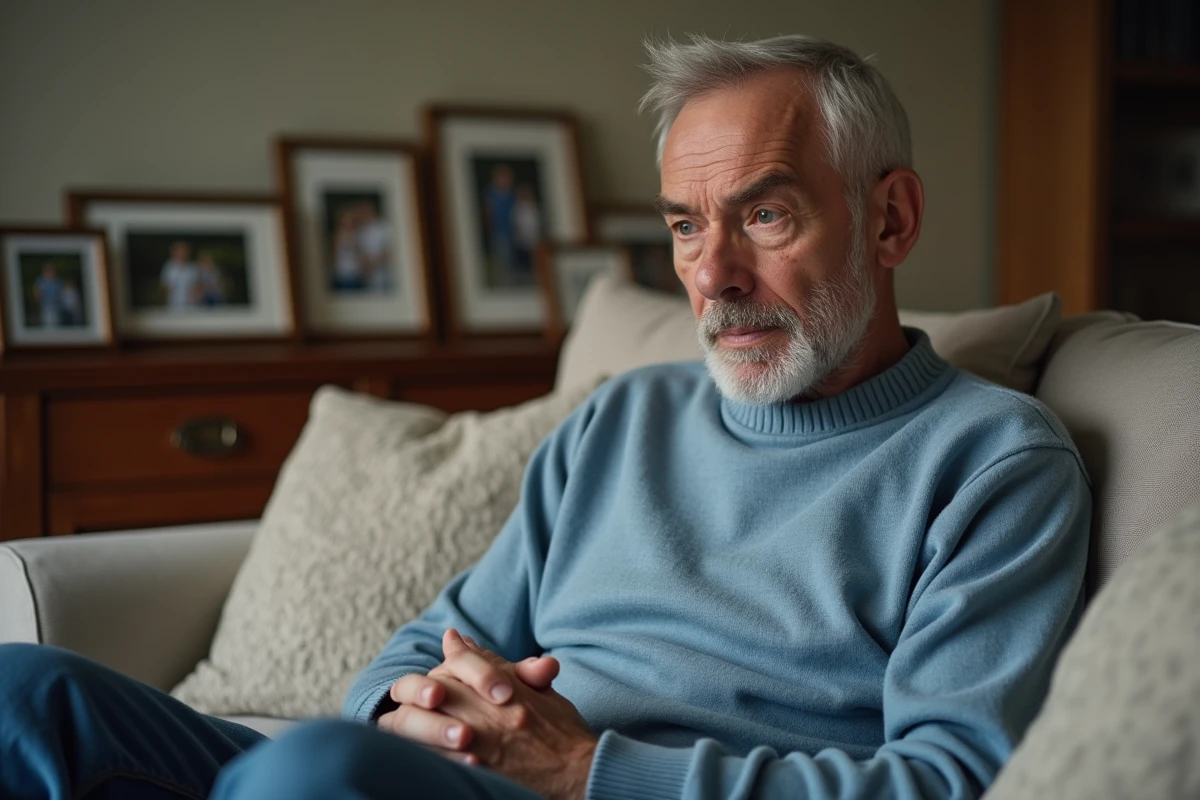
The family calendar never quite aligns with that of celebrity. Tragic events strike indiscriminately, even within highly publicized households, escaping predictable scenarios. In 2023, the Roloff family faced an unexpected trial, while public attention persisted, indifferent to the boundary between private life and media exposure. Complex dynamics emerge when the intimate sphere collides with collective interest. The story of the Roloff family, marked by this recent loss, reveals the fragility of balances in the public space.
When literature illuminates drama: Proust, memory, and loss in the Roloff family
In the face of the pain of the mourning experienced by the Roloff family in 2023, literature becomes a silent accomplice. Proust reminds us: memory does not erase absence; it shapes it and infiltrates it into every detail. A scent, the particular light of an afternoon, an old photograph: everything becomes a passage, a way to keep alive what has extinguished. Writing here does not promise consolation; it offers to transform shock into narrative, loss into active memory.
The family home hides nothing. Each room eventually welcomes these subtle traces, where the presence of the absent slips in. This does not make the pain sweeter, but it becomes shareable, narratable. We evoke a laugh, a gesture, and life is reinvented differently, with this absence as a watermark.
In France, this dialogue between literature and mourning is common on stage. Directors like Christophe Honoré or Jean-Claude explore Proust’s words with finesse, and through them, the possibility of taming absence. Audiences find in these works a way to stand tall, to open a space where memory flows freely.
Some elements are characteristic of these adaptations centered on memory and loss:
- The staging transforms the everyday into an act of resistance, refusing erasure.
- The literary adaptation then becomes a springboard to reconnect with the living while honoring absence.
Catalan culture in Paris: putting the collective at the service of mourning
In Paris, Catalan culture emerges where it is least expected. No frozen folklore: here, the group comes together to defy loss. Celebration, song, collective rituals, the Catalan community relies on memory and transmission, mobilizing art to navigate mourning differently. On stage, it is never about erasing the pain but carrying it together, in the light of a collective sharing.
The performances inspired by these traditions, with a special mention to the Betty Bone company, draw from the Mediterranean imagination to tell, with simplicity and strength, the stories of broken families that refuse to collapse. Laughing, crying, inventing their own gestures: each event becomes a new opportunity to build community in the face of trial.
In contrast to certain families withdrawn into silence, Catalan art stands out for its vitality. Song, dance, theater: everything is put in place to acknowledge grief and offer it a shared dimension. The stage thus becomes the place where sorrow is expressed, listened to, and collectively tamed. For the Roloff family, exposed to media turmoil in 2023, there is a unique model: pain is not a full stop; it transforms into a living and stubborn force.
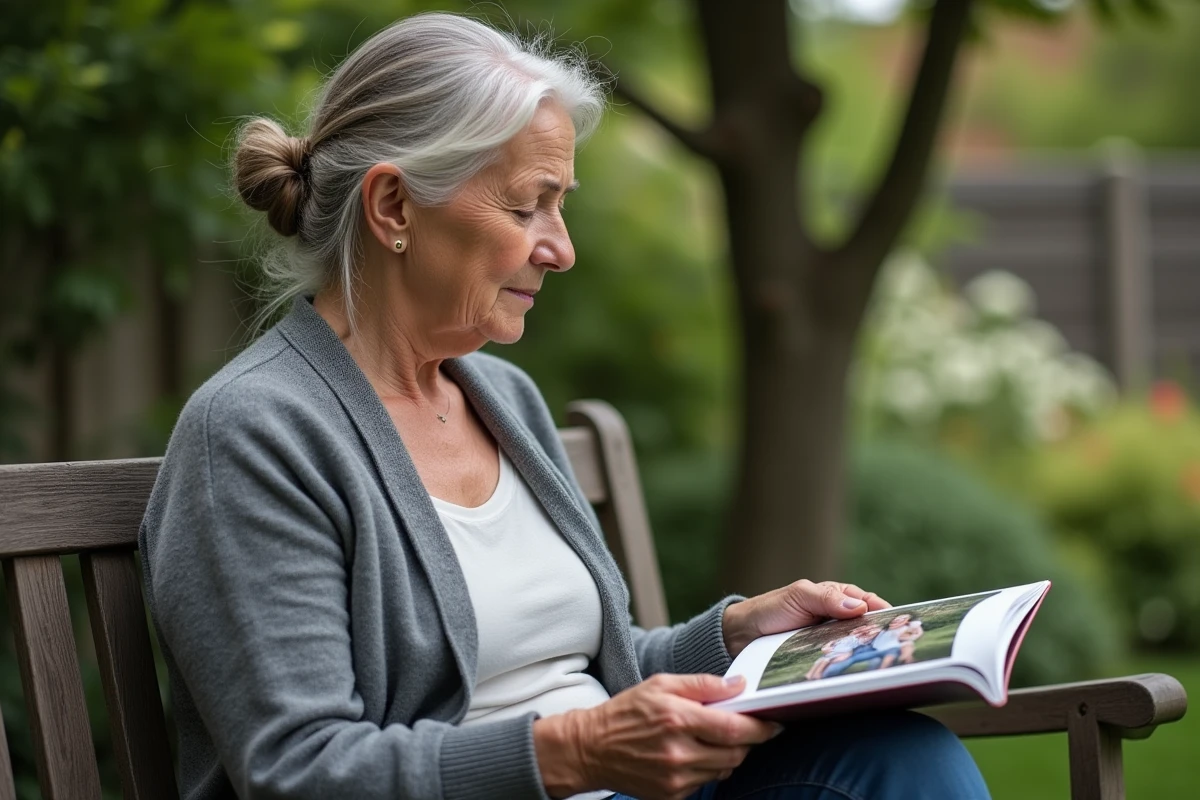
The New Testament: embracing the flaw, traversing disappearance
The experience of loss in the Roloff family disrupts usual balances. Stepping out of the private circle sometimes leads to seeking, in ancient resources. The New Testament does not offer ready-made solutions. It presents women and men confronted with absence, Mary near the tomb, Peter disoriented, a young man invited to leave everything behind. Here, disappearance opens up to a discreet transformation, the promise of an often unexpected path.
The gospel narratives invite us to embrace fragility without masking it. They sometimes serve as a springboard for those like Philippe, Georges, Antoine, or others, who seek a foothold, step by step, to move forward in their disrupted lives. No injunctions, much humility, and the acknowledgment that sometimes only time allows one to resurface.
To better understand how these texts continue to fertilize contemporary creation, a few themes emerge from recent performances and readings:
- The theatrical appropriation by Christophe: investing biblical narratives in theater to give flesh to the question of absence.
- The reinterpretation of family passions: exploring loss, separation, or waiting through stories of broken or impossible-to-rekindle ties.
In Paris and elsewhere, these spiritual narratives continue to inspire researchers, artists, and families touched by grief. They open spaces for speech, where everyone can shape their own journey through absence. Memory, far from remaining frozen, is constantly reinvented, weaving a fragile yet tenacious thread between those who remain and those who are no longer. As long as this thread exists, collapse is never total.