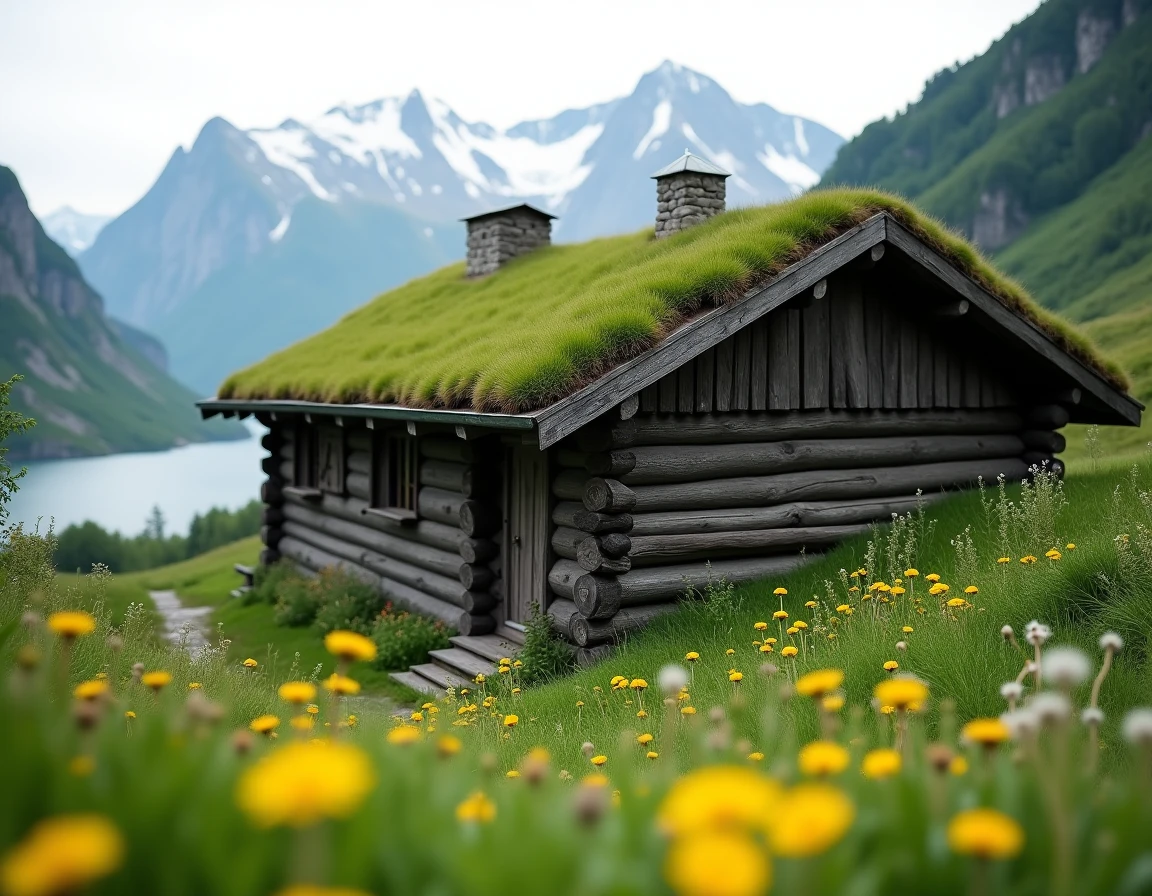
A grass roof, in Norwegian torvtak, refers to a roof covered with several layers of soil and vegetation, placed on a waterproof birch bark membrane. This construction technique dates back to prehistoric Scandinavia and remains visible on thousands of buildings in Norway, from mountain cabins to contemporary hotels.
Birch bark and layers of soil: the technical structure of the torvtak
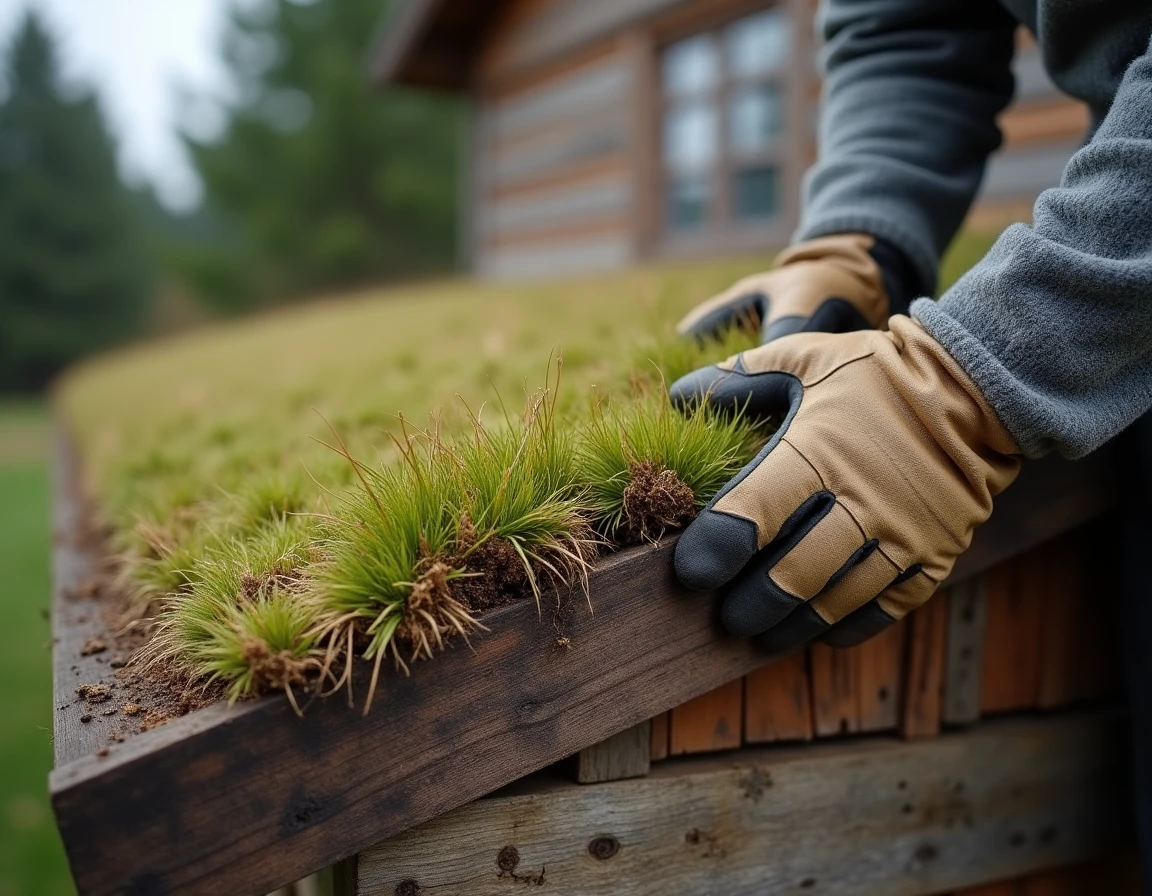
Most articles describe the Norwegian green roof as a simple layer of grass. The construction reality is more demanding. The system relies on a precise layering of natural materials, each serving a distinct function.
The wooden framework, often made of pine or spruce, first supports tongue-and-groove boards. On these boards, several layers of birch bark are arranged in an overlapping manner, like tiles. This birch bark membrane ensures waterproofing: the natural resin of the birch repels water for decades.
Above the bark, two layers of peat or soil are laid, one with the vegetation facing down (to protect the bark), the other with the vegetation facing up. Grasses, mosses, and small plants then colonize the surface. This sandwich of organic material forms a structure whose weight necessitates a framework sized accordingly, especially in winter when snow accumulates.
Understanding grass on roofs in Norway requires considering this layering as a complete system, not just a decorative covering.
Thermal insulation and water management: the measurable performance of the grass roof
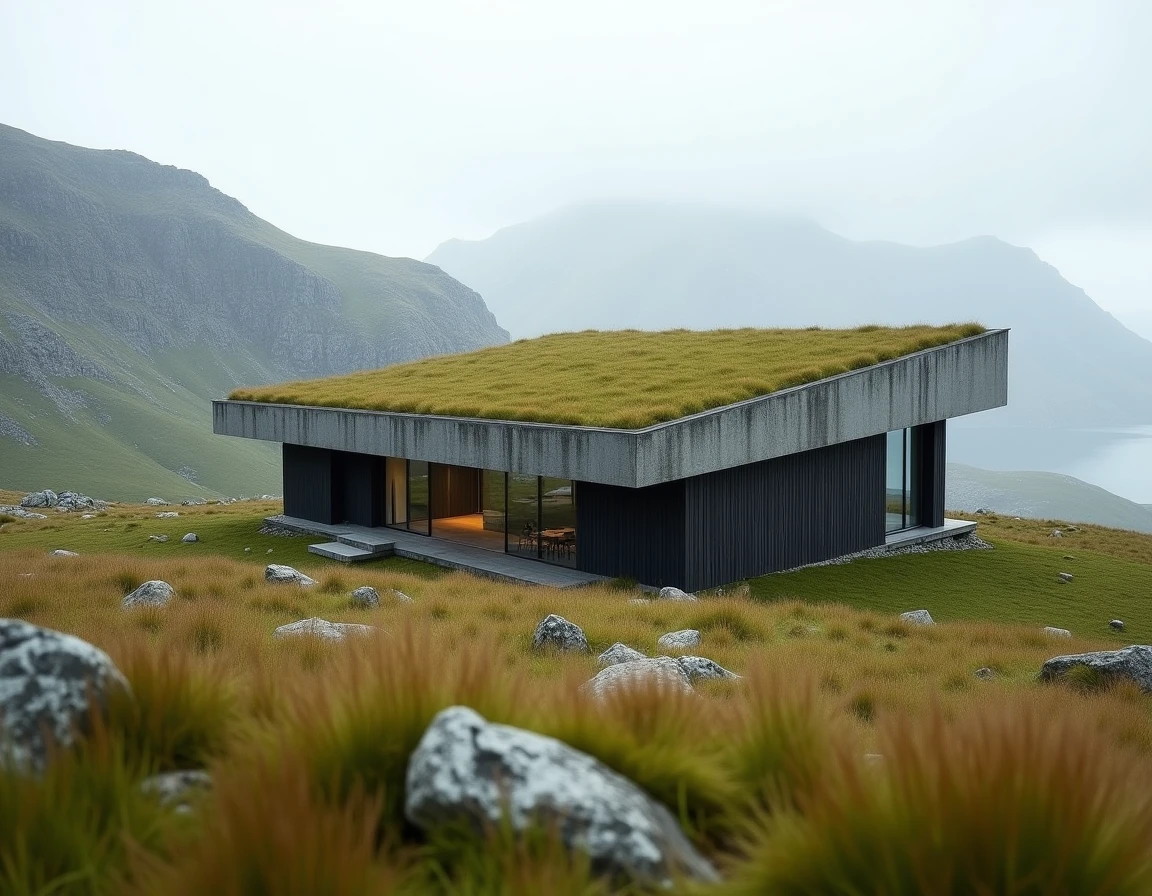
The Norwegian climate, with its long winters and abundant rainfall, explains the longevity of this technique. The grass roof is not an aesthetic choice: it is a functional response to real climatic constraints.
Thermal regulation in summer and winter
The layer of soil and vegetation acts as a natural thermal insulator. In winter, the mass of soil and accumulated snow retains heat inside the building. In summer, the evapotranspiration of the plants cools the roof surface, limiting overheating in the attic.
This dual effect explains why Norwegian mountain cabins remain habitable in conditions of intense cold, without resorting to industrial materials.
Rainwater retention
The soil and roots absorb a significant portion of the precipitation before slowly releasing it. This mechanism reduces the sudden runoff during heavy rains, an advantage that particularly interests contemporary urban planners in the face of increasingly frequent flooding events.
- The layer of soil retains water like a sponge, then gradually releases it through evaporation and slow drainage
- The roots of the grasses stabilize the sloped soil, preventing erosion even on inclined roofs
- The vegetation filters some of the atmospheric pollutants before the water reaches the stormwater system
Green roofs and Norwegian urban planning: from heritage to building standard
The grass roof nearly disappeared in the 19th century, replaced by tiles in cities and rural manors. Wooden coverings were reserved for churches and buildings requiring steep slopes. In rural areas, the torvtak remained common until the early 18th century.
Today, the trend is reversing. Several major Norwegian cities are integrating green roofs into their building standards. Oslo, in particular, includes vegetated roofs as a standard measure in new tertiary projects and large residential complexes, especially around train stations and dense areas.
This integration responds to concrete goals of climate resilience: stormwater management, reduction of heat islands, and maintenance of biodiversity in urban environments. The grass roof thus transitions from a vernacular heritage to a regulatory tool at the municipal level.
Nation branding and tourism: the grass roof as a Norwegian symbol
The Norwegian tourist office and many travel platforms highlight cabins and hotels with grass roofs as emblems of a sustainable lifestyle. The Lofoten Islands, Senja, and the Western fjords concentrate a range of stays where the torvtak is part of the experience sold to visitors.
This phenomenon goes beyond mere architectural curiosity. Specialized companies now offer specifications adapted to freeze-thaw cycles and snow loads for the installation of grass roofs on chalets, hotels, and public facilities. The sector has professionalized, with technical training and certifications specific to the Nordic context.
- Grass-roofed hotels serve as showcases for Norwegian sustainable tourism, attracting clientele sensitive to environmental issues
- Contemporary architects are integrating the torvtak into ambitious urban projects, combining traditional materials and modern synthetic membranes to ensure longevity
- The technique inspires similar projects in Iceland, the Faroe Islands, Canada, and Japan, where climatic constraints justify the same type of covering
The Norwegian grass roof is therefore not a frozen relic. Its persistence is due to a rare combination: thermal and hydraulic performance verified by centuries of use, a structured professional sector, and a regulatory framework that now gives it a place in modern urban planning. The last point to remember is the weight constraint: without a properly sized framework, none of these advantages can be exploited.