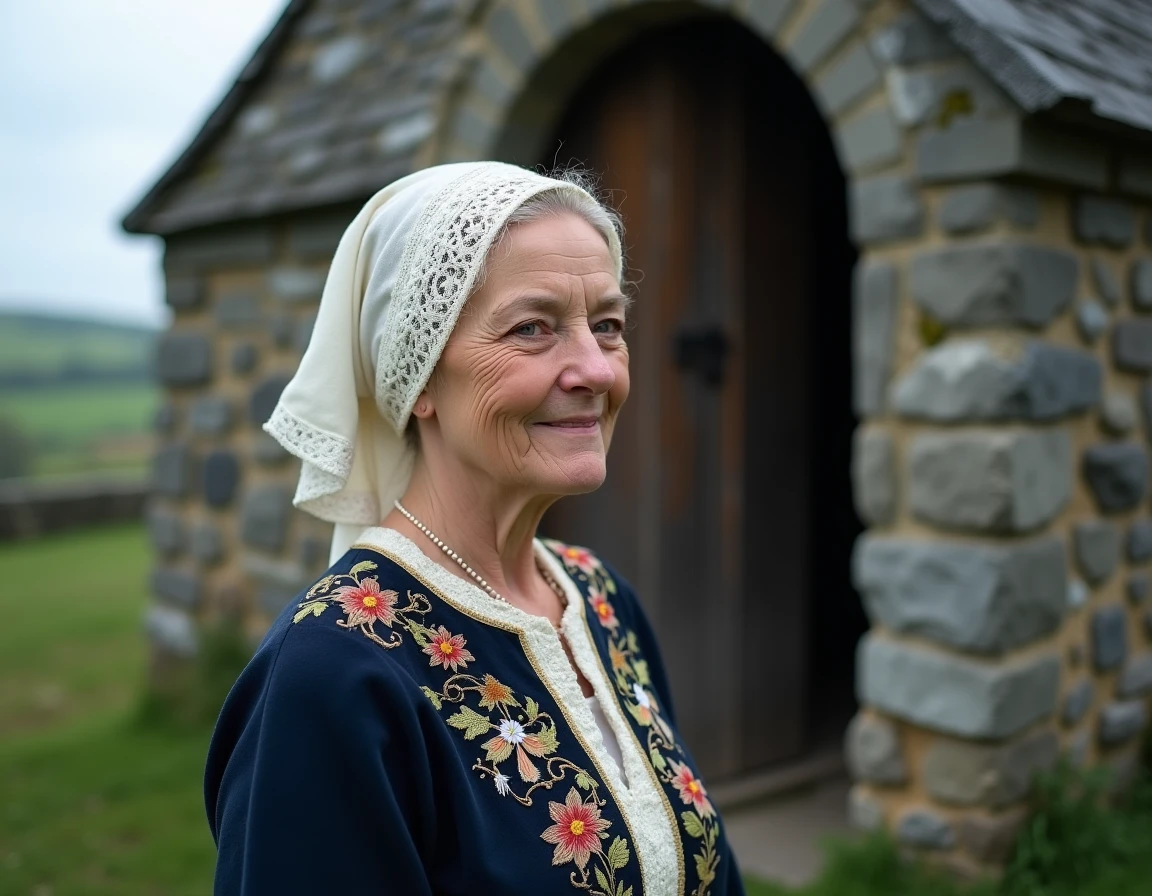
Breton news is not just about fest-noz and crêperies. Behind these familiar images, Brittany is going through a period where its traditions are being reinvented, driven by concrete initiatives in gastronomy, cultural accessibility, and the promotion of textile heritage. This article details three recent areas that deserve attention.
Breton Costume in Museums: A Fashion Object as Much as a Memory

Have you ever come across a bigouden headdress in a photo without really understanding what it represents? The exhibition “L’Habit fait la Bretagne” at the Bernard Boesch Museum approaches traditional costume from a rarely explored angle: that of fashion, identity, and transmission between generations.
The Breton costume is presented as a language. Each embroidery, each shape of headdress once indicated the geographical origin, social status, or civil status of the person wearing it. The exhibition traces this clothing grammar and shows how contemporary creators draw inspiration from it for current collections.
This type of museum approach allows textile heritage to move beyond frozen folklore. The exhibited pieces engage in dialogue with recent creations, attracting a younger audience eager to understand how a clothing tradition can inspire stylistic work. To follow such cultural events in Brittany, the resources available on portailbreton.net help locate ongoing exhibitions and heritage events in the region.
100% Breton Products Gastronomy: Eating Local as a Cultural Act
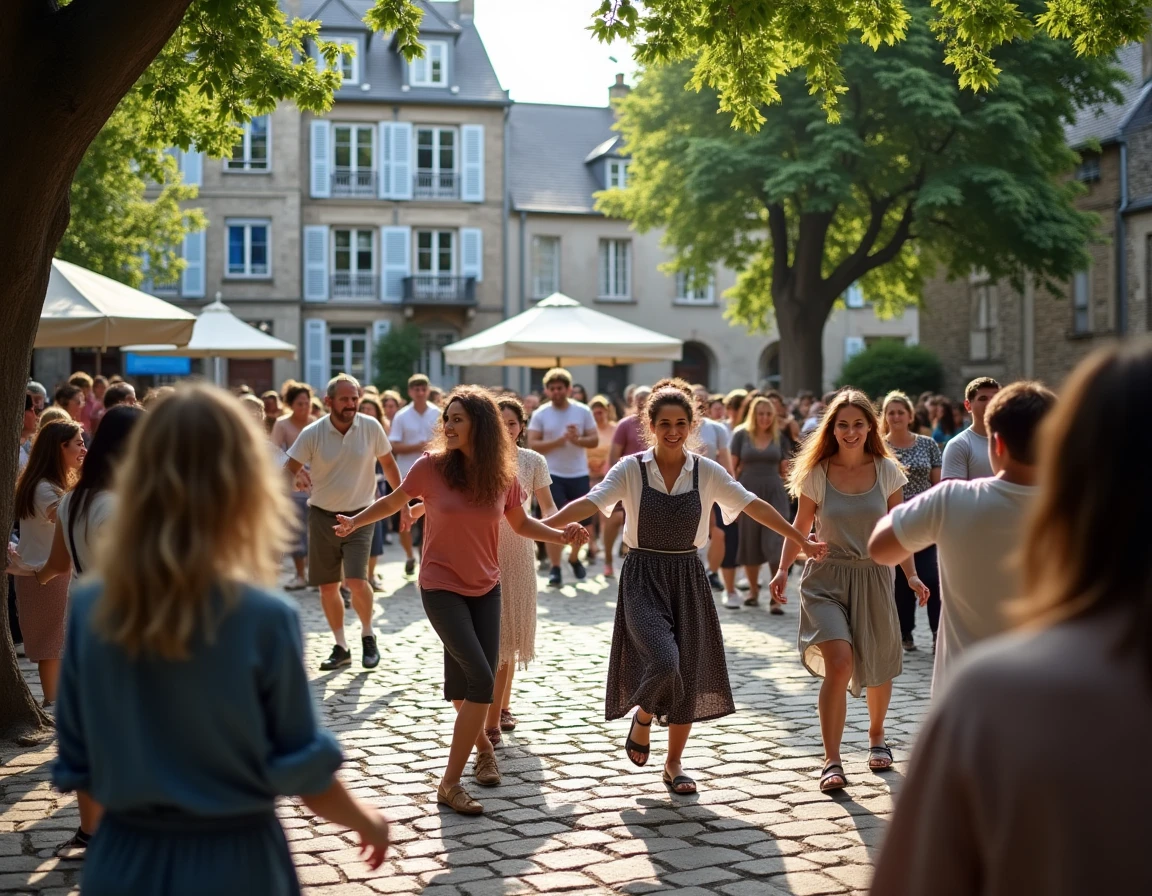
Breton cuisine goes far beyond kouign-amann and far. A recent trend is pushing chefs and specialized publications to advocate for a gastronomy exclusively based on local products. The magazine Bretons en Cuisine dedicated an entire special issue to this approach, featuring sixty recipes made solely from Breton products.
This positioning is not just a marketing argument. It reflects a desire to promote the agricultural and maritime sectors of the region, from buckwheat in Finistère to seaweed harvested on the northern coast. Cooking Breton becomes an act of cultural affirmation, not just a gastronomic choice.
What This Changes in the Plate
Working with strictly regional products imposes creative constraints. No olive oil, no Mediterranean citrus: chefs must rethink their foundations. Salted butter, cider, field vegetables, and fish from the coast become the only available ingredients.
This constraint produces surprising results. Recipes reinterpret Hénaff pâté as a gourmet starter or transform Breton seaweed into a high-end condiment. The geographical limit becomes a driver of invention rather than a hindrance.
- Buckwheat replaces wheat flour in several sweet preparations, resulting in more rustic textures and roasted hazelnut flavors.
- Seaweeds (dulse, Breton wakame, sea lettuce) are used as natural flavor enhancers, replacing salt or industrial broth.
- Cider and chouchen serve as bases for sauces and marinades, instead of classic white wine.
Breton Festivals and Accessibility: A Concrete Evolution
The accessibility of cultural events in Brittany has long been a blind spot. Several recent festivals are changing the game. The Printemps des Sonneurs in Côtes-d’Armor illustrates this trend with concrete measures: French sign language translation, audio description, and solidarity pricing.
Inclusion becomes an organizational criterion, not an optional extra. This shift in perspective changes how festivals are designed from the outset. Organizers integrate these measures into the initial budget rather than adding them later.
Why This Evolution Matters for Breton Culture
The tradition of fest-noz relies on collective participation. Everyone dances, sings, or listens, without distinction. Making festivals accessible to people with disabilities or audiences distant from culture fits into this participatory logic.
A festival that offers audio description for a Breton dance performance is not just making a social gesture. It extends a tradition of openness inherent to Breton festive culture. The bombarde and biniou have never been reserved for an elite, and current organizers translate this principle into concrete actions.
- Translation into LSF allows deaf spectators to follow presentations and exchanges between musicians on stage.
- Solidarity pricing opens access to audiences who do not usually attend paid cultural events.
- Audio description, still rare in traditional music festivals, describes dance movements and staging for visually impaired spectators.
Breton Language and Daily Life: Beyond Bilingual Signage
Bilingual French-Breton signs are visible everywhere in Brittany. This signage gives an impression of linguistic vitality, but the daily practice of Breton remains a major challenge. Revitalization initiatives today take more discreet forms: podcasts, social media channels, conversation workshops in cafes.
Breton is increasingly transmitted less within families. Diwan schools (immersive Breton education) and bilingual public education programs ensure part of the next generation. Facebook groups and Instagram accounts in the Breton language complement this network by reaching an adult audience that did not have access to this education.
What distinguishes the current situation is the shift from linguistic activism to daily digital presence. Posting a recipe in Breton on Instagram or commenting on a football match in Breton on a podcast is not spectacular, but these micro-uses keep the language alive in ordinary contexts.
Brittany cultivates its traditions by confronting them with the present. Whether it is radical local gastronomy, accessible festivals, or textile heritage displayed as a fashion object, each initiative extends a legacy while giving it a contemporary form. The next audibly described fest-noz or the next special issue of recipes without any imported ingredients are not curiosities: they are concrete markers of a regional culture that refuses to freeze.