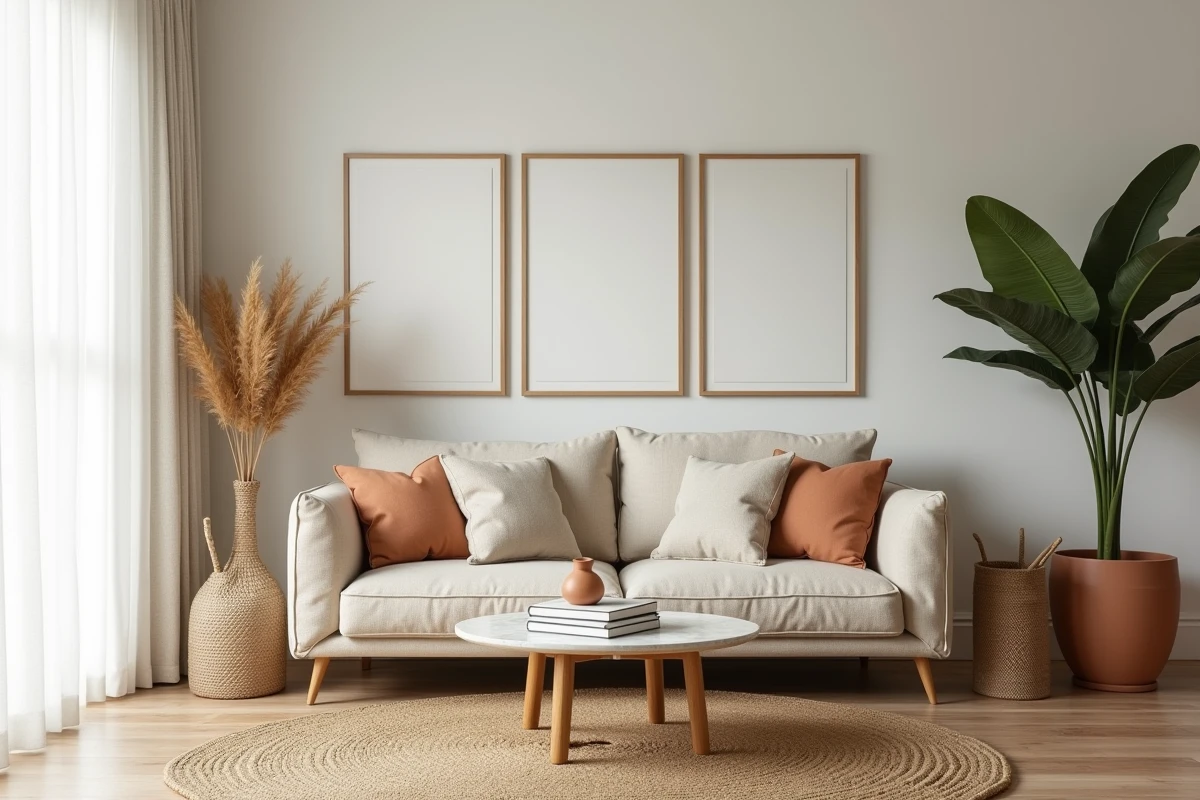
Repainting a wall, moving a piece of furniture, changing the textiles of a sofa: the actions that transform an interior are often simpler than one might think. Current home trends confirm this idea, focusing on accessible materials, bold colors, and a logic of reuse that changes the way each room is conceived. Here are some concrete ideas to rethink your interior decoration without starting from scratch.
Circular materials and regenerative decor: what really changes
Have you noticed that furniture brands are increasingly offering refurbished ranges? This is not a passing trend. The AGEC law (anti-waste for a circular economy), which has new provisions applying to the furniture sector from 2023-2024, pushes manufacturers to guarantee the reparability of their products.
The report “Regenerative Interiors” published by the trend office WGSN in 2024 describes the ongoing shift well. We are no longer talking simply about sustainable or eco-responsible decor, but about regenerative design. Reused wood panels, bio-based resin paints, re-laminated surfaces: these materials do not just limit damage; they reintegrate existing resources into a new cycle.
In practical terms, this means that a piece of reclaimed wood furniture is no longer confined to a rustic style. Current finishes allow for a smooth, contemporary look that fits perfectly into a living room or bedroom with a clean design. If you want to delve deeper into these topics and find ideas room by room, the home articles on Ei Mag regularly address these questions of layout and trends.
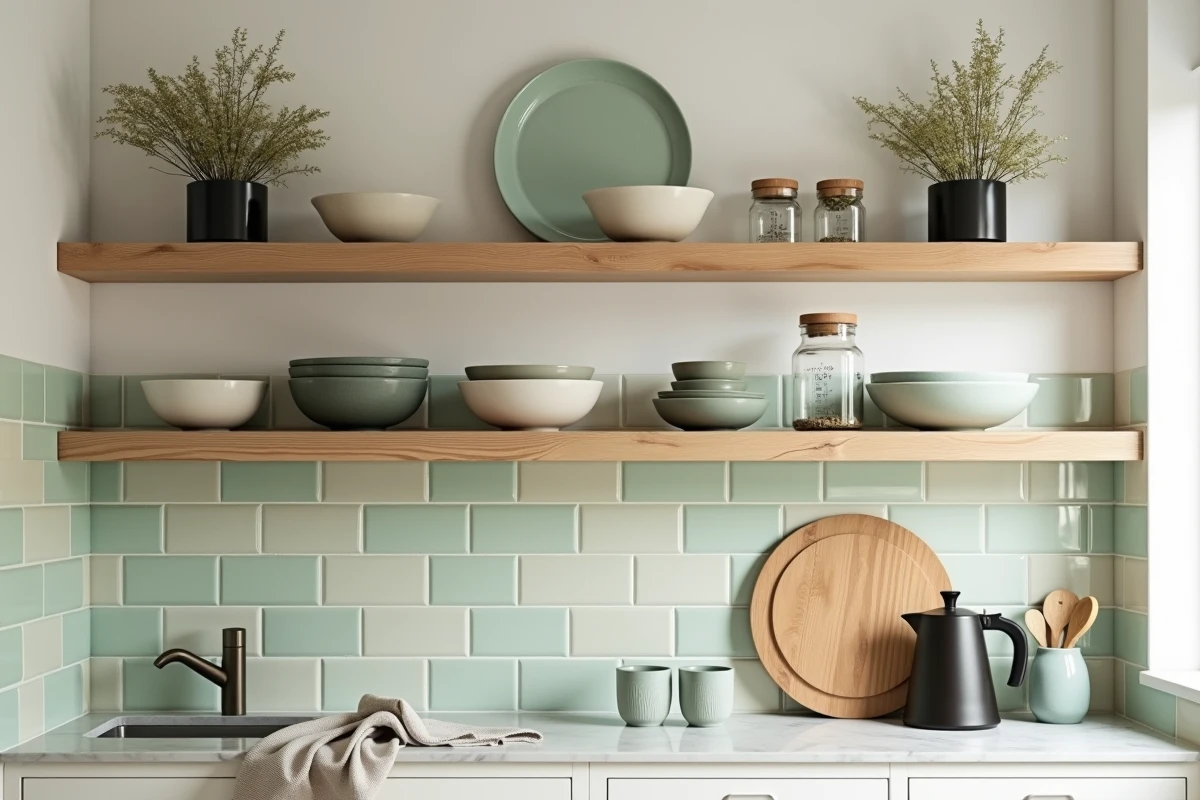
Colors and textiles: how to choose without making mistakes
The choice of colors often remains the biggest hurdle in an interior decoration project. The temptation to stick with white or beige is strong for fear of getting tired of it. However, a single well-placed shade transforms the atmosphere of a room without a heavy commitment.
The accent wall rule
Painting just one wall in a bold color (terracotta, sage green, peacock blue) is enough to give character to a living room or bedroom. The rest of the room can remain neutral. This principle works because it creates a focal point without saturating the space.
For textiles, the logic is the same: a neutral sofa comes to life with cushions in complementary shades. Change the covers according to the season rather than buying a new sofa. It’s less expensive and refreshes the ambiance in just a few minutes.
Mixing materials without weighing down
An interior gains depth when textures are mixed. Raw linen, corduroy, woven rattan: these materials create a tactile contrast that makes each space more vibrant. A common mistake is to match everything in the same fabric. Vary the surfaces, and the result will be more natural.
Space planning: three concrete tips that change perception
Before thinking about buying furniture, look at what you can reposition. The arrangement of furniture influences the comfort of a room more than their price.
- Clear the main passage: a free circulation corridor between the entrance and the window gives an impression of space, even in a small living room
- Place the sofa perpendicular to the wall instead of pushing it against it: this arrangement creates two distinct areas (reading nook, TV corner) within the same space
- Use mirrors facing a source of natural light. The light bounces and visually enlarges the room without any renovations
- Prefer a large rug that goes under the front feet of the sofa rather than several small rugs scattered about, which unifies the space instead of fragmenting it
These actions cost nothing. They are part of intelligent planning, not a decoration budget.
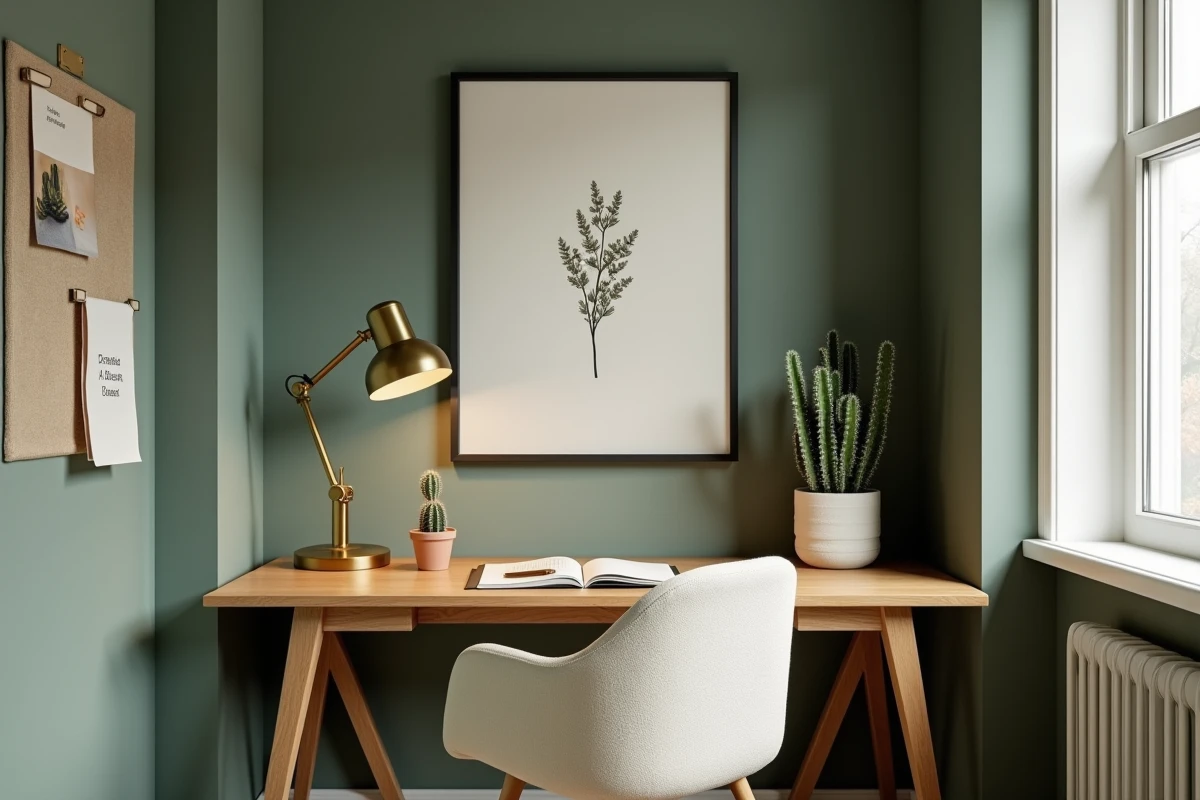
Kitchen and integrated appliances: when performance meets style
The kitchen has become the room where decor trends intersect with technical constraints. The overhaul of European energy labels (new classes A-G) has had an unexpected effect on kitchen design. Manufacturers and kitchen designers now offer better-rated appliances hidden behind coordinated facades with the furniture.
The oven, refrigerator, or dishwasher visually disappear behind panels that match the cabinets. The result is a so-called “invisible” kitchen where technology blends into aesthetics. This type of interior layout is no longer limited to high budgets: several accessible brands incorporate this approach into their standard ranges.
The countertop as a full-fledged decor element
Quartz, porcelain stoneware, oiled solid wood: the choice of countertop influences the entire visual identity of the kitchen. If your budget is limited, invest in this area rather than on handles or the backsplash. The countertop is the most seen and touched surface in the room.
Decorative objects and personal style: avoiding the catalog effect
Accumulating decorative objects found on Pinterest without a guiding thread often results in a messy outcome. Inspiration should serve as a starting point, not a shopping list.
Start by identifying an object that you really love: a lamp, a vase, a frame. Build the rest of the room around this centerpiece. This anchoring decoration principle helps avoid falling into the trap of a copied-and-pasted total look.
- One strong object per surface (shelf, coffee table, console) is enough. The rest should be functional or discreet
- Mix new objects with second-hand finds to create a unique style that cannot be replicated exactly
- Limit photo frames to one wall or shelf. Scattered throughout the house, they lose their visual impact
An interior that reflects you is better than an interior that looks like a showroom. Trends come and go, personal choices remain. The most reliable tip is to start with what you already own, sort, reposition, and only then add what is truly missing.